Horse arenas and training spaces demand more than good footing and open ground. A properly built jumping gate shapes the way a horse responds, approaches obstacles, and develops confidence during practice sessions. Riders who invest in sturdy construction usually notice fewer maintenance headaches, safer training conditions, and a cleaner overall look around the course.
A well-designed gate is not just decorative. Stability, spacing, balance, and material quality all influence performance and rider safety. Poor construction can create sharp edges, weak joints, or unstable supports that become dangerous after repeated use. Smart builders think ahead, choose weather-resistant materials, and follow proven installation methods instead of rushing the process.
Professional trainers across the United States often prioritize durability over flashy designs because equestrian equipment faces constant exposure to sun, rain, dust, and impact. Reliable Construction Plans to Build a Horse Jumping Gate should always focus on structural integrity first and appearance second.
Why a Proper Horse Jumping Gate Matters
Jumping gates play a major role in both competitive and recreational riding. Horses rely heavily on visual cues during training, and gates help define the obstacle clearly. Clean lines and balanced proportions encourage smoother approaches while reducing hesitation.
Arena owners commonly use gates for:
- Show jumping practice
- Hunter courses
- Eventing preparation
- Training young horses
- Improving rider accuracy
Cheaply assembled jumps tend to wobble or lean after repeated use. That movement can spook horses and create unnecessary risks for riders. Experienced barn managers usually recommend solid framing, reinforced corners, and weather-protected surfaces for long-term reliability.
Carefully prepared Construction Plans to Build a Horse Jumping Gate allow builders to avoid common structural mistakes before cutting the first board.
Planning the Design Before Construction
Every successful project begins with accurate planning. Measurements should match the intended riding discipline and available arena space. Standard horse jumping gates typically range between 3 and 5 feet high, though custom dimensions may suit advanced courses or pony training setups.
Sketching the design beforehand saves time and materials. Builders should decide on:
- Overall height and width
- Gate pattern style
- Color scheme
- Base support system
- Portability requirements
- Decorative elements
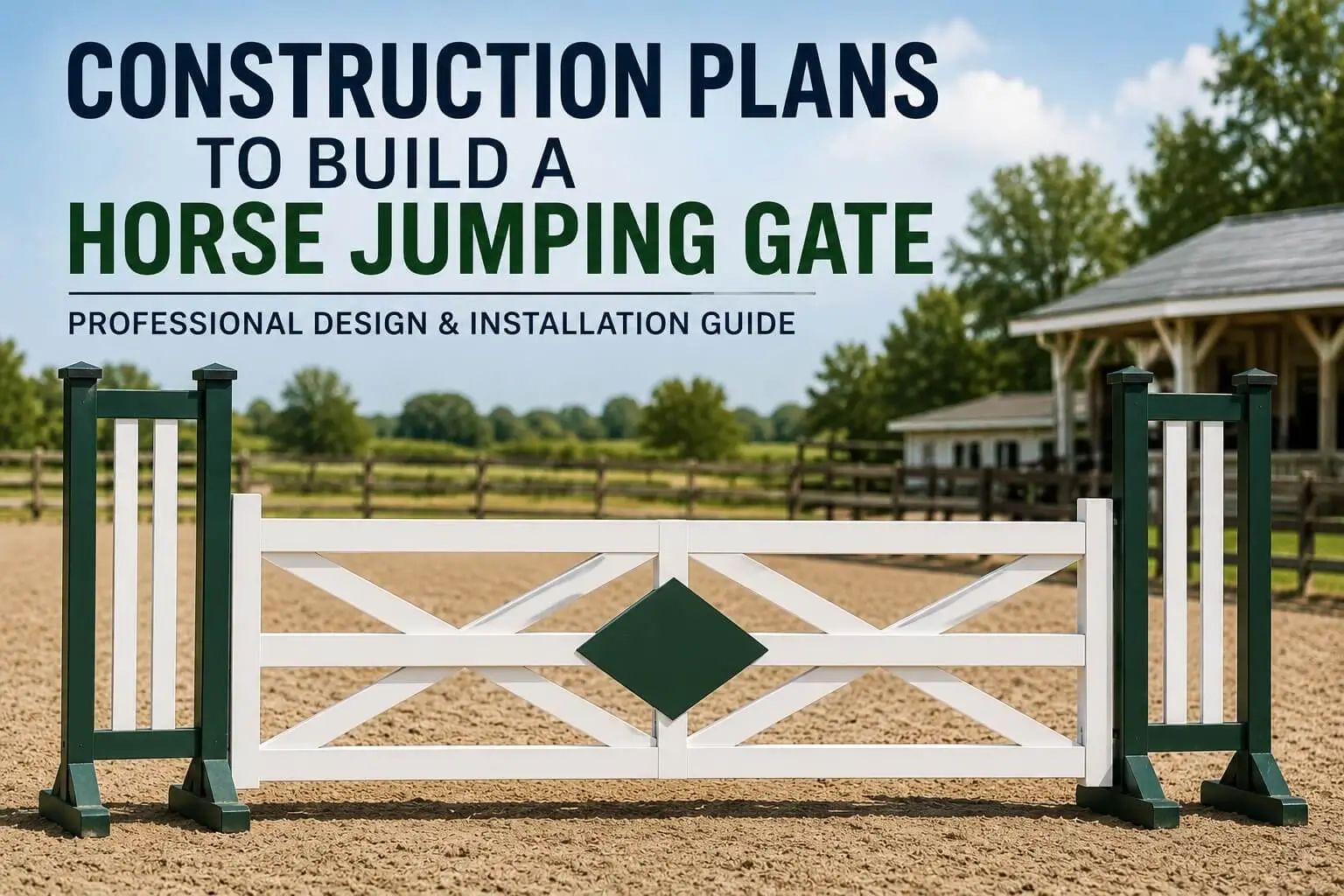
Solid geometric patterns usually hold up better than overly intricate cuts. Diagonal braces add strength and reduce stress on the frame during transport and repeated use.
Pressure-treated lumber remains one of the most trusted choices because it resists rot and moisture damage. Cedar also performs well in outdoor conditions while offering a cleaner appearance.
Many professionals creating Construction Plans to Build a Horse Jumping Gate prefer combining wood with lightweight PVC trim for decorative sections. That combination reduces overall weight without sacrificing appearance.
Essential Materials and Tools
Material quality often determines how long the gate survives outdoor use. Bargain lumber may warp within months, especially in humid climates or regions with heavy seasonal rain.
Recommended materials include:
- Pressure-treated 2×4 lumber
- Exterior-grade plywood
- Galvanized screws
- Heavy-duty wood glue
- Exterior paint or sealant
- Sandpaper
- Steel brackets for reinforcement
Useful tools include:
- Circular saw
- Power drill
- Measuring tape
- Carpenter’s square
- Paint sprayer or roller
- Clamps
Reliable Construction Plans to Build a Horse Jumping Gate always specify galvanized or coated fasteners because rust quickly weakens standard screws in outdoor environments.
Step-by-Step Construction Process
Accurate cuts matter more than speed during assembly. Crooked framing creates balance problems that become noticeable once the gate is placed between standards.
1. Build the Outer Frame
Cut the lumber according to the planned dimensions. Assemble the rectangular outer frame first using screws and wood glue for added strength.
Check each corner with a carpenter’s square before tightening the fasteners completely.
2. Add Internal Bracing
Diagonal braces prevent twisting and improve stability. Gates used frequently in training arenas benefit greatly from reinforced centers.
A cross-brace design usually works best for larger gates.
3. Attach Decorative Panels
Plywood cutouts, slats, or lattice sections can now be installed. Smooth every edge thoroughly to eliminate splinters or sharp corners.
Bright colors often help horses judge the jump more confidently during approach.
4. Sand and Seal
Outdoor horse equipment faces harsh conditions year-round. Sand rough areas carefully before applying exterior primer and weather-resistant paint.
Quality sealants dramatically extend the lifespan of wooden structures.
5. Final Stability Check
Place the finished gate between standards and inspect for wobbling or uneven weight distribution.
Professional builders reviewing Construction Plans to Build a Horse Jumping Gate typically recommend testing the structure under repeated movement before introducing horses to the obstacle.
Safety Considerations Every Builder Should Know
Horse jumps must prioritize safety above appearance. Decorative details should never create snag points or weak structural areas.
Several critical safety practices include:
- Rounded edges instead of sharp corners
- Breakaway design elements where appropriate
- Stable footing around the jump
- Non-toxic paint and sealants
- Consistent weight distribution
Loose hardware should be inspected regularly because vibration and outdoor weather naturally loosen screws over time.
Experienced riders also recommend avoiding excessively narrow visual patterns. Horses need a clear focal point while approaching a jump at speed.
Thoughtfully designed Construction Plans to Build a Horse Jumping Gate reduce the likelihood of accidents while improving overall course presentation.
Installation Tips for Long-Term Performance
Placement matters just as much as construction quality. Gates positioned on uneven ground can shift during training sessions and become unstable.
Arena owners should:
- Install jumps on level surfaces
- Keep drainage in mind
- Store gates indoors during severe weather
- Repaint exposed wood annually
- Inspect joints every few months
Portable designs remain popular because they allow quick course adjustments. Lightweight gates are easier to move but still need enough structural strength to handle repeated use.
Wind exposure is another factor many first-time builders overlook. Wider gates catch strong gusts easily, particularly in open outdoor arenas. Reinforced bases or weighted supports help solve that issue.
Skilled contractors developing Construction Plans to Build a Horse Jumping Gate often include removable feet or stackable support systems for easier transport and storage.
Common Mistakes to Avoid
Several construction mistakes appear repeatedly in poorly built horse jumps.
Using Untreated Lumber
Moisture damage quickly weakens standard wood.
Ignoring Weight Balance
Uneven gates tip more easily during movement.
Weak Joint Connections
Nails alone rarely provide enough long-term support.
Poor Paint Selection
Interior paints crack and peel outdoors.
Skipping Maintenance
Minor structural problems become expensive repairs if ignored.
Simple preventive care extends the life of arena equipment dramatically.
Final Thoughts
Horse jumping gates combine craftsmanship, safety, and functionality in one structure. A carefully built gate not only improves arena aesthetics but also creates a safer and more professional riding environment. Riders, trainers, and barn owners all benefit from equipment designed with durability and horse behavior in mind.
Strong materials, proper reinforcement, weather protection, and balanced construction should always guide the project from start to finish. Reliable Construction Plans to Build a Horse Jumping Gate help eliminate costly mistakes while ensuring the finished obstacle performs well for years under regular training conditions.