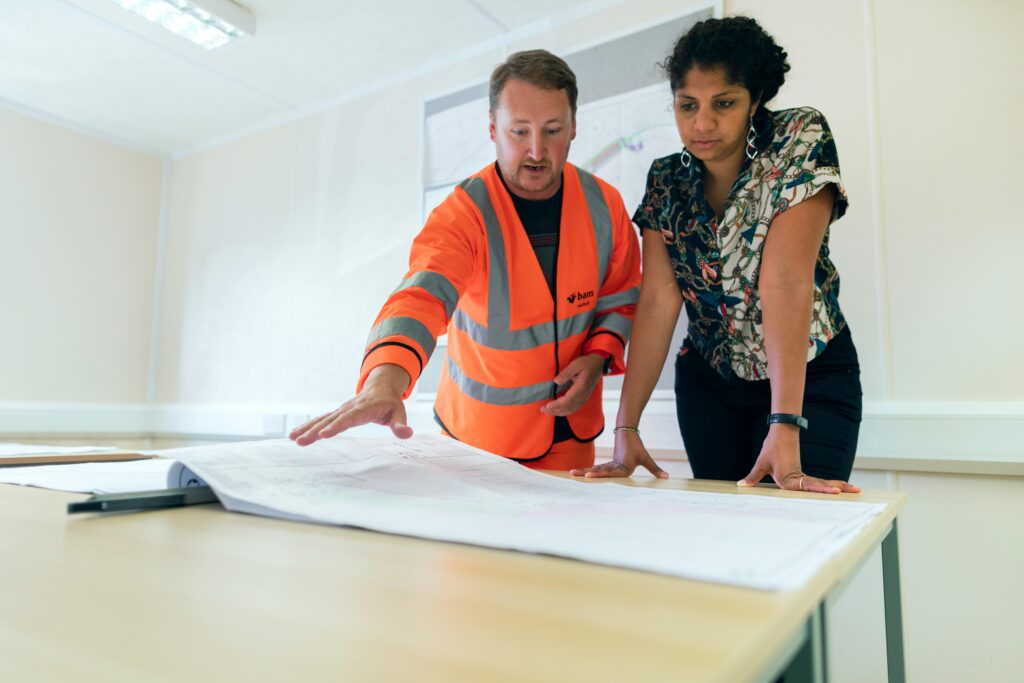
A general contractor manages a construction project by coordinating workers, materials, schedules, permits, inspections, and site activity.
For the property owner, the general contractor is usually the main point of contact throughout the project. Instead of managing concrete crews, carpenters, electricians, plumbers, suppliers, and inspectors separately, the owner works with one team responsible for keeping the work organized.
General contractors in Virginia can manage residential improvements, commercial construction, outdoor living projects, additions, and other work involving several connected construction stages.
Atlas General Contractors provides residential and commercial construction services for property owners across Virginia.
What Does a General Contractor Do?
A general contractor turns an approved construction plan into completed work. The role includes planning how the work will proceed, arranging the required people and materials, and monitoring each stage at the property.
Common general contractor duties include:
- Reviewing the project scope and property conditions
- Preparing estimates and construction schedules
- Coordinating subcontractors and specialized trades
- Ordering and scheduling materials
- Managing daily activity at the construction site
- Monitoring workmanship and project progress
- Communicating changes to the property owner
- Coordinating permits and inspections when included
- Addressing problems that appear during construction
- Completing a final review of the finished work
The contractor may complete some work through an in-house crew and assign specialized work to subcontractors. The exact arrangement depends on the project, required trades, contract, and license classification.
General Contractor Responsibilities Before Work Begins
A considerable part of the contractor’s work happens before construction starts.
The contractor reviews the design, proposed materials, property access, existing structures, and site conditions. These details help determine how the work should be scheduled and whether the original plan requires adjustments.
Preconstruction responsibilities may include:
- Visiting and assessing the project site
- Clarifying what is included in the scope
- Reviewing drawings and specifications
- Identifying the required construction trades
- Planning the order of work
- Checking material availability
- Preparing permit-related information
- Discussing site access and property protection
- Establishing an estimated project schedule
A clear scope at this stage helps reduce confusion, unplanned work, and avoidable delays once construction begins.
How a General Contractor Manages Construction
Construction work must happen in the correct order. Concrete may need time to cure before another structure is installed. Electrical or plumbing work may require inspection before walls are closed. Materials must arrive when the appropriate crew is ready to use them.
The general contractor coordinates these connected stages.
During construction, contractor responsibilities commonly include checking completed work, scheduling the next trade, communicating with suppliers, documenting approved changes, and updating the owner about progress.
Unexpected conditions can also appear after work begins. Drainage issues, concealed damage, unsuitable soil, outdated construction, or delayed materials may affect the original plan. The contractor explains the issue and discusses available options before additional work proceeds.
General Contractor vs. Subcontractor
A general contractor manages the complete or broader construction project. A subcontractor performs a specific trade or portion of the work.
For example, a room addition may require excavation, concrete, framing, roofing, electrical work, insulation, and interior finishing. A subcontractor may be responsible for only the electrical installation. The general contractor coordinates that work with every other stage.
This distinction matters because the property owner needs to know who is responsible for the overall result and who is responsible for an individual trade.
Construction Services Managed by General Contractors in Virginia
The type of work a general contractor can manage depends on the company’s experience, license classification, team, and project scope.
Common residential contractor services include:
- Room additions and home improvements
- Deck and porch construction
- Patio and hardscaping projects
- Driveways and walkways
- Retaining walls, fences, and gates
- Sunrooms and outdoor coverings
- Outdoor kitchens
- Pools, spas, and water features
Atlas provides residential construction services in Virginia for projects that improve the function, appearance, and usable space of a property.
Commercial general contractors may manage renovations, property improvements, sports facilities, paving, concrete work, outdoor areas, and other projects requiring several teams or construction stages.
Businesses and property managers can review Atlas’s commercial construction services for relevant project options.
Why Local Virginia Experience Matters
Construction requirements are not identical across every Virginia city or county. Permit applications, inspections, site conditions, and local procedures can vary by jurisdiction.
A contractor familiar with Northern Virginia may better understand local property types, seasonal weather, drainage concerns, soil conditions, material performance, and common approval procedures.
Local experience is particularly useful in areas such as McLean, Fairfax, Falls Church, Arlington, Vienna, and nearby communities, where properties can differ considerably in age, access, layout, and construction requirements.
This does not mean one approach will work for every property. The contractor should review the actual site and check the requirements of the relevant jurisdiction before construction begins.
Do General Contractors Handle Permits in Virginia?
A general contractor may prepare or coordinate permits and inspections, but responsibility should be stated clearly in the construction agreement.
Structural changes, additions, electrical work, plumbing, and other major improvements often require approval. Some limited or cosmetic work may not require the same process.
Virginia contractors are regulated by the Department of Professional and Occupational Regulation’s Board for Contractors. The state uses Class A, Class B, and Class C licenses, along with classifications and specialties that determine the value and type of work a contractor can perform.
Before signing an agreement, property owners can check a contractor’s credentials through the official Virginia DPOR License Lookup.
What Affects General Contractor Costs?
There is no single price for hiring a general contractor. The total depends on the property, project scope, selected materials, required labor, and conditions discovered during construction.
Common cost factors include:
- Project size and design complexity
- Material type and availability
- Number of required trades
- Property access and site preparation
- Permit and inspection requirements
- Structural or drainage work
- Custom features and finishes
- Approved changes during construction
A written estimate should explain what is included and excluded. If the scope changes after work begins, the contractor should document the change, cost, and possible schedule impact before proceeding.
When Should You Hire a General Contractor?
A general contractor is usually helpful when a project involves multiple trades, structural work, permits, inspections, or tasks that must follow a specific sequence.
A small job involving one trade may only require a specialized contractor. A larger renovation, addition, outdoor construction project, or commercial improvement often needs broader coordination.
Hiring one project lead can make communication simpler, but the responsibilities of the owner and contractor must still be written clearly in the agreement.
What Should the Construction Agreement Include?
The agreement should give both parties a clear understanding of the project.
It should normally identify:
- Scope of work
- Included materials
- Excluded work
- Payment schedule
- Estimated project stages
- Permit responsibility
- Change-order process
- Property access requirements
- Cleanup and waste removal
- Inspection and completion procedures
Important changes should be confirmed in writing rather than handled through verbal discussions alone.
How Do You Choose a General Contractor?
Check that the contractor’s license classification matches the proposed work. Review relevant projects, request a written estimate, and ask how communication, changes, permits, and subcontractors will be managed.
This page explains the contractor’s role. For a complete selection process, read our guide on choosing a general contractor in Virginia.
Frequently Asked Questions
What is a general contractor in simple terms?
A general contractor is a person or company that manages a construction project and coordinates the workers, materials, schedule, and site operations.
What are the main duties of a general contractor?
The main duties include reviewing the scope, scheduling trades, arranging materials, monitoring construction, communicating with the owner, and coordinating inspections.
Does a general contractor perform all the work?
Not always. General contractors may use their own crew for some tasks and hire qualified subcontractors for specialized work such as electrical or plumbing.
Is a general contractor the same as a construction manager?
The roles may overlap, but they are not always identical. A construction manager may join during early planning, while a general contractor commonly manages construction execution.
Do general contractors obtain permits?
A contractor may prepare or coordinate permits, but the agreement should state who is responsible for applications, fees, documentation, and inspections.
What projects can a general contractor manage?
General contractors can manage home additions, remodeling, outdoor construction, commercial improvements, and other projects involving multiple trades or stages.
Discuss Your Virginia Construction Project
A successful project starts with a clear scope, practical planning, and proper coordination between the owner, contractor, trades, and suppliers.
If you are planning a residential or commercial construction project in Virginia, contact Atlas General Contractors to discuss the property, required work, and suitable next steps.