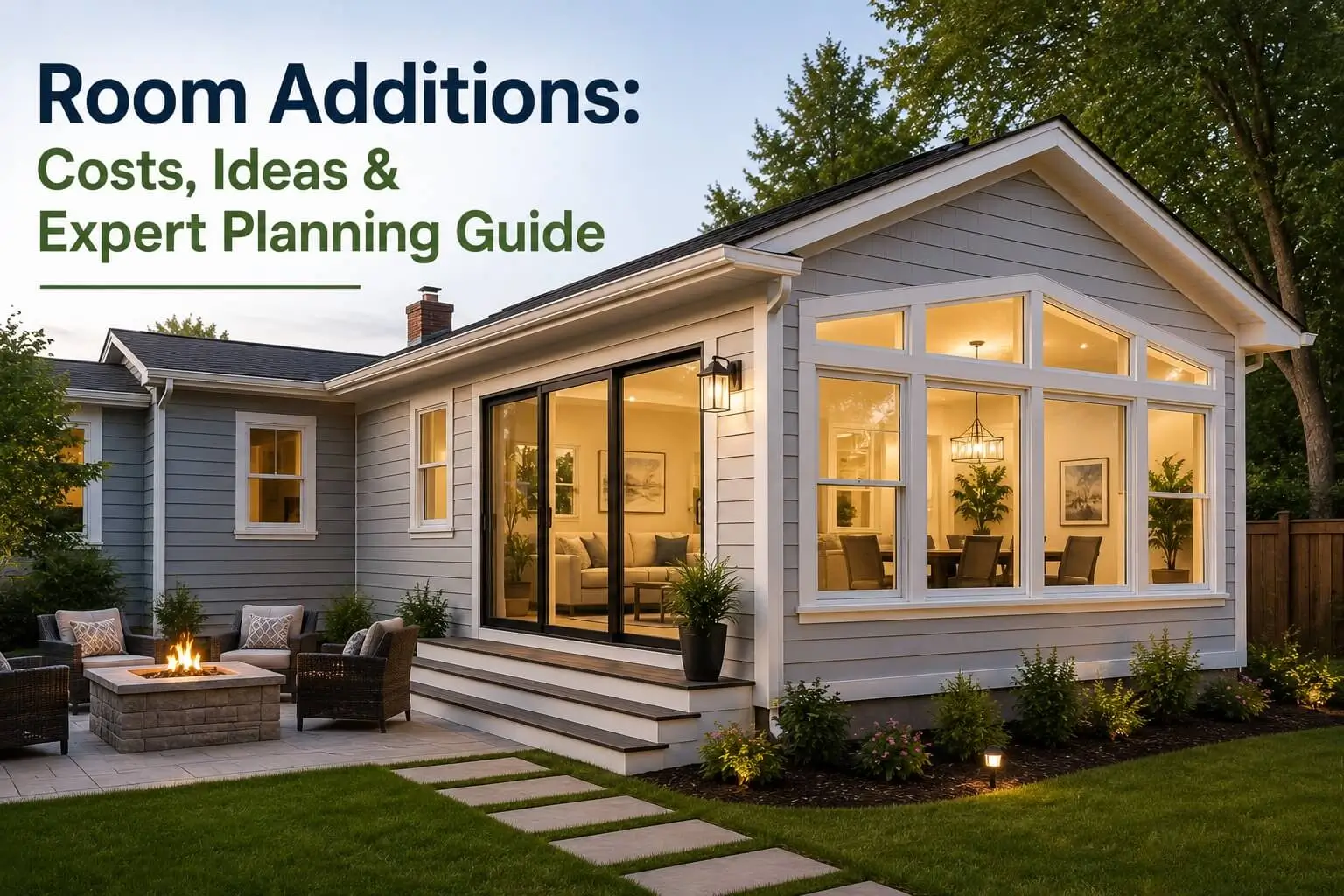
Space starts feeling smaller in ways people don’t notice immediately. A growing family, work-from-home setup, guests staying over more often, or simply wanting extra breathing room can slowly push a house beyond its comfort zone. Moving to a new property sounds exciting at first, but the cost, stress, and disruption make many homeowners rethink the idea. That’s exactly why room additions continue to grow in popularity across the United States.
A properly planned addition creates more usable living space without forcing you to leave the home and neighborhood you already enjoy. Done correctly, it can also raise property value and improve long-term functionality.
Room addition cost: What Homeowners Should Expect Before Building
Budget planning usually becomes the biggest concern early in the process. Every project differs based on square footage, materials, permits, labour, and structural complexity. Still, understanding the average room addition cost helps homeowners avoid unrealistic expectations.
Smaller additions, such as a basic guest room or office space, can start around $20,000 to $50,000. Mid-range projects with plumbing, insulation, and upgraded finishes often land between $50,000 and $120,000. Luxury additions with custom architecture, bathrooms, or premium materials can exceed $150,000+.
Several factors directly affect the final room addition cost:
- Foundation work
- Roofing integration
- Electrical and plumbing systems
- HVAC expansion
- Window and insulation quality
- Permit and inspection fees
Homes built decades ago may also require structural reinforcement before construction even begins, which can increase the overall room addition cost significantly.
Planning a realistic budget early prevents delays and helps contractors provide more accurate timelines.
Popular Room Addition Ideas That Actually Improve Daily Living
A smart addition should feel natural, not like an awkward extension attached later. The best projects improve both comfort and flow throughout the home.
1. Family Room Expansion
Families often outgrow shared living areas first. Extending the main gathering space creates more comfort for entertaining, relaxing, and spending time together.
2. Home Office Addition
Remote work changed how people use their homes. A dedicated office offers privacy, productivity, and better work-life separation.
3. Master Suite Addition
Adding a larger bedroom with a private bathroom can dramatically improve comfort while increasing resale value.
4. Sunroom or Glass Room
Natural light completely changes the mood of a home. These spaces work well for reading, dining, or relaxing throughout the year.
5. Garage Conversion
Unused garages often become wasted storage areas. Converting them into functional living space can be more affordable than building entirely new structures.
The right addition depends less on trends and more on how the household actually lives day to day.
Planning Mistakes That End Up Costing More Later
- Many homeowners focus heavily on appearance while overlooking practical details that affect long-term comfort.
- Poor layout integration is one of the most common issues. A beautiful addition still feels wrong if movement through the house becomes awkward afterward.
- Low-quality insulation creates temperature problems that raise utility bills year-round. Cheap windows also reduce energy efficiency faster than most people expect.
- Skipping permit requirements can create legal and financial problems during resale. Local building codes exist for safety reasons, especially when electrical or structural modifications are involved.
Unexpected upgrades also catch homeowners off guard. Older homes may need electrical panel updates, plumbing replacements, or roofing adjustments before construction moves forward. Each one affects the final room addition cost, sometimes more than the visible finishes themselves.
Smart Design Choices That Add Long-Term Value
Good design is rarely about making things flashy. Functionality almost always matters more over time.
- Keeping ceiling heights consistent with the original structure helps the addition blend naturally into the home. Matching exterior materials also prevents the project from looking visually disconnected.
- Storage should be planned early instead of added later as an afterthought. Built-in shelves, hidden cabinets, and smart closet placement make a huge difference in usability.
- Natural lighting deserves attention too. Larger windows, sliding doors, or skylights can make even moderate-sized additions feel open and comfortable.
- Thoughtful material selection also affects maintenance costs later. Durable flooring, energy-efficient windows, and quality insulation usually save money over the years despite higher upfront pricing.
- Smart planning often keeps the room addition cost under control because expensive corrections become less likely during construction.
Timeline Expectations for Room Additions
Construction timelines vary depending on complexity, weather conditions, and permit approvals.
Smaller projects may take 6 to 10 weeks, while larger or custom additions can extend to several months. Permit approvals alone sometimes take weeks in busy areas across the US.
Typical stages include:
- Planning and design
- Permit approvals
- Site preparation
- Foundation work
- Framing and roofing
- Electrical and plumbing installation
- Insulation and drywall
- Interior finishing
Delays usually happen when changes are requested midway through the build. Finalizing decisions early helps projects move much more smoothly.
Expert Tips Before Hiring a Contractor
Contractor selection can make or break the entire experience.
- Always verify licensing, insurance, and previous project experience. Photos alone aren’t enough; ask for references and completed local projects if possible.
- Detailed written estimates matter more than verbal promises. Every major expense should appear clearly in the proposal to avoid confusion later.
- Communication style also matters. Contractors who explain problems honestly and respond consistently tend to manage projects more professionally overall.
Comparing multiple bids helps homeowners understand realistic pricing ranges. Extremely low estimates sometimes signal shortcuts that increase the eventual room addition cost later through repairs or unfinished work.
Is a Room Addition Worth the Investment?
A well-designed addition does more than increase square footage. It changes how a home functions every single day.
- Families gain flexibility, privacy improves, and daily routines become easier. Financially, many additions also improve resale value, especially when they add bedrooms, bathrooms, or functional living space.
- The key is planning carefully instead of rushing decisions. Quality construction, practical design, and realistic budgeting create results that continue paying off long after the project is finished.
Careful preparation keeps the room addition cost manageable while ensuring the final space feels like a true part of the home rather than an afterthought.